Meet the TheyDo Agent

Journey management is the system for building customer context
Built by CX teams. A structured, living data model of the customer journey, not a static map.
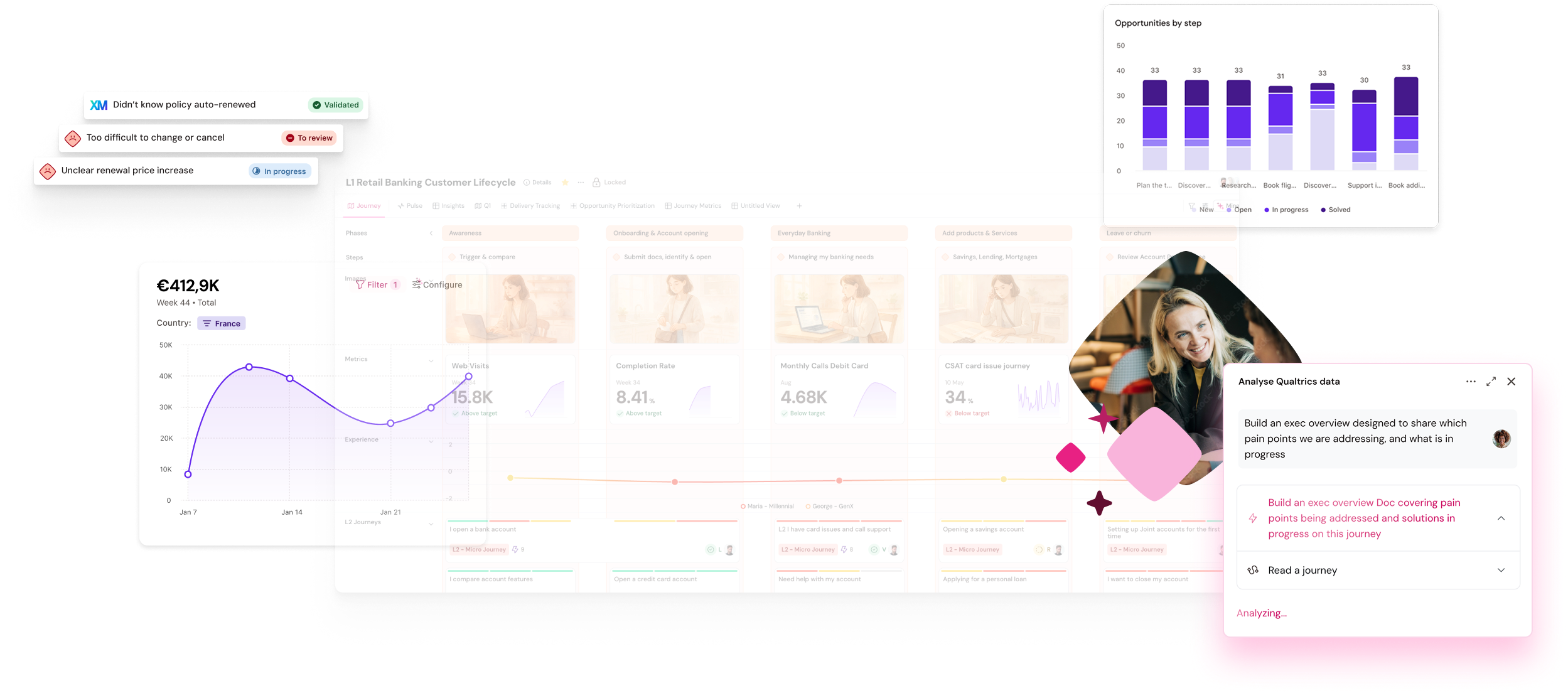












A better way to connect the dots between business performance and customer experience
Journey management is the practice of running a business around the customer journey. Customer journey phases and steps create a shared customer context. Evidence and metrics attach to specific moments. Opportunities surface across journeys. The whole organization works from one view of the customer.
Trustworthy AI starts with well-managed experience context
Journeys, phases, and steps are the foundation of the data model. Every output points back to a real customer moment, so insights stay accurate and business outcomes tie to specific experience improvements. Without that structure, AI guesses. Data management is how we make agents trustworthy.
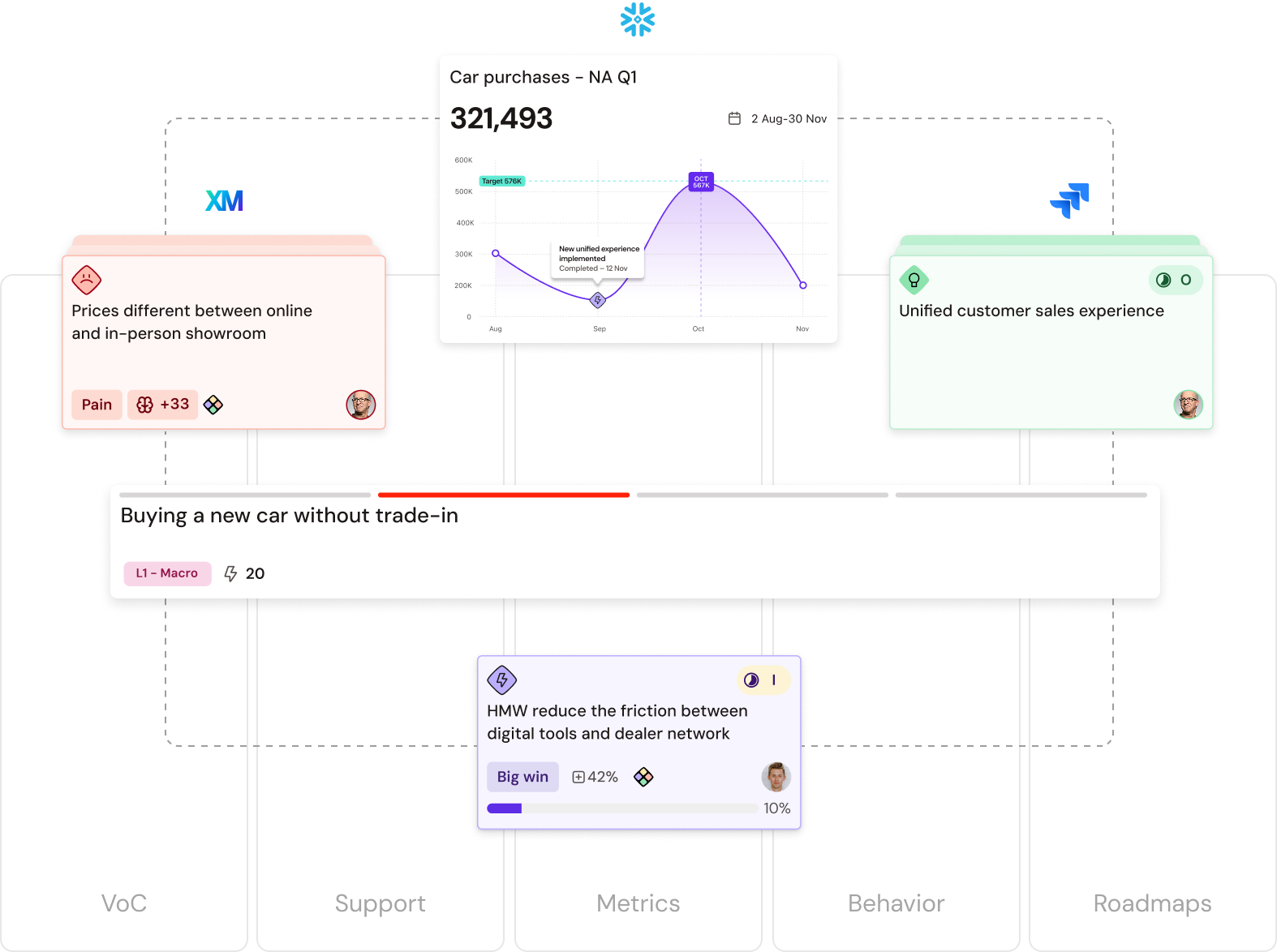
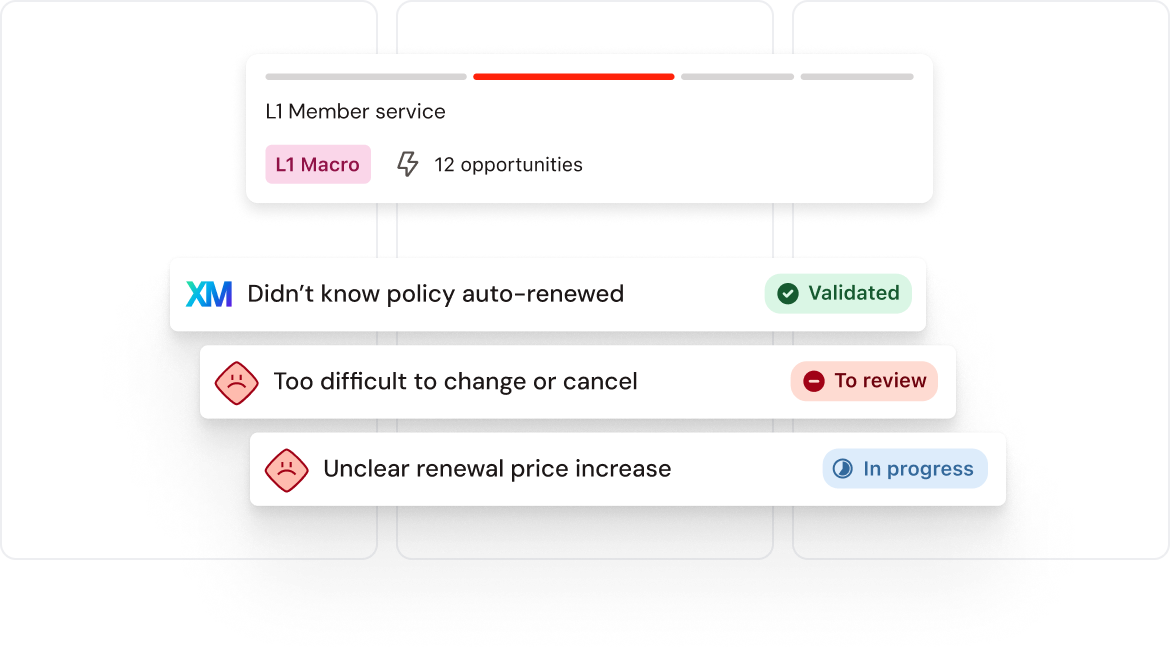
Unified customer evidence
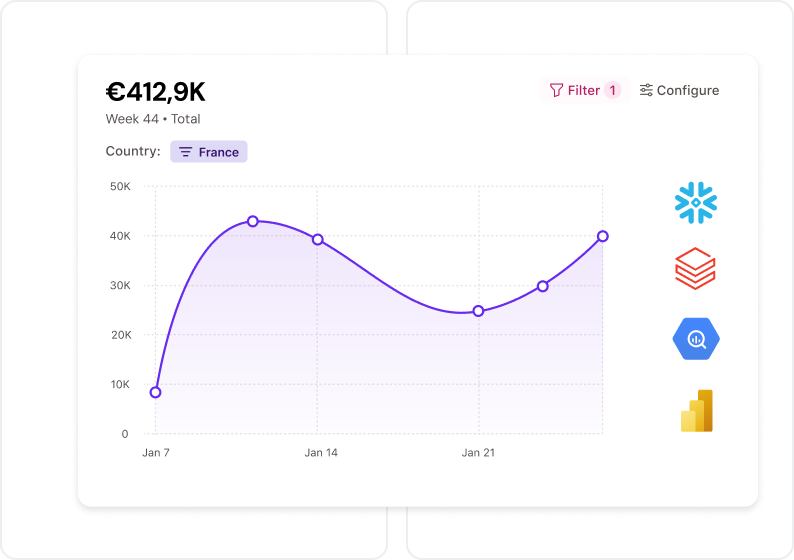
Integrated business KPIs
Loading testimonial...
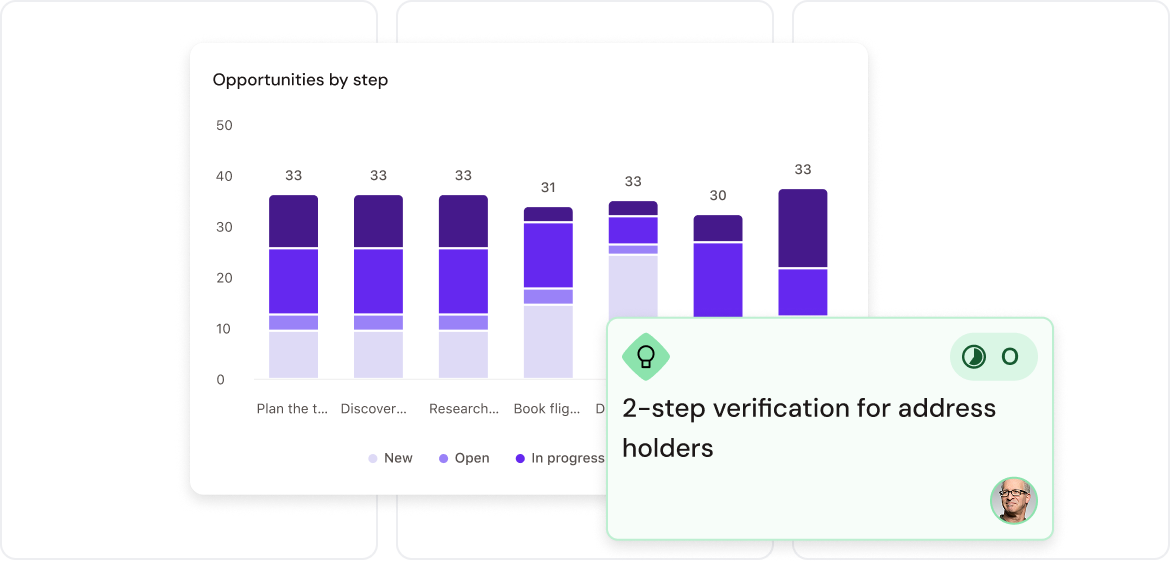
Aligned delivery roadmaps

What changes when teams share one journey model
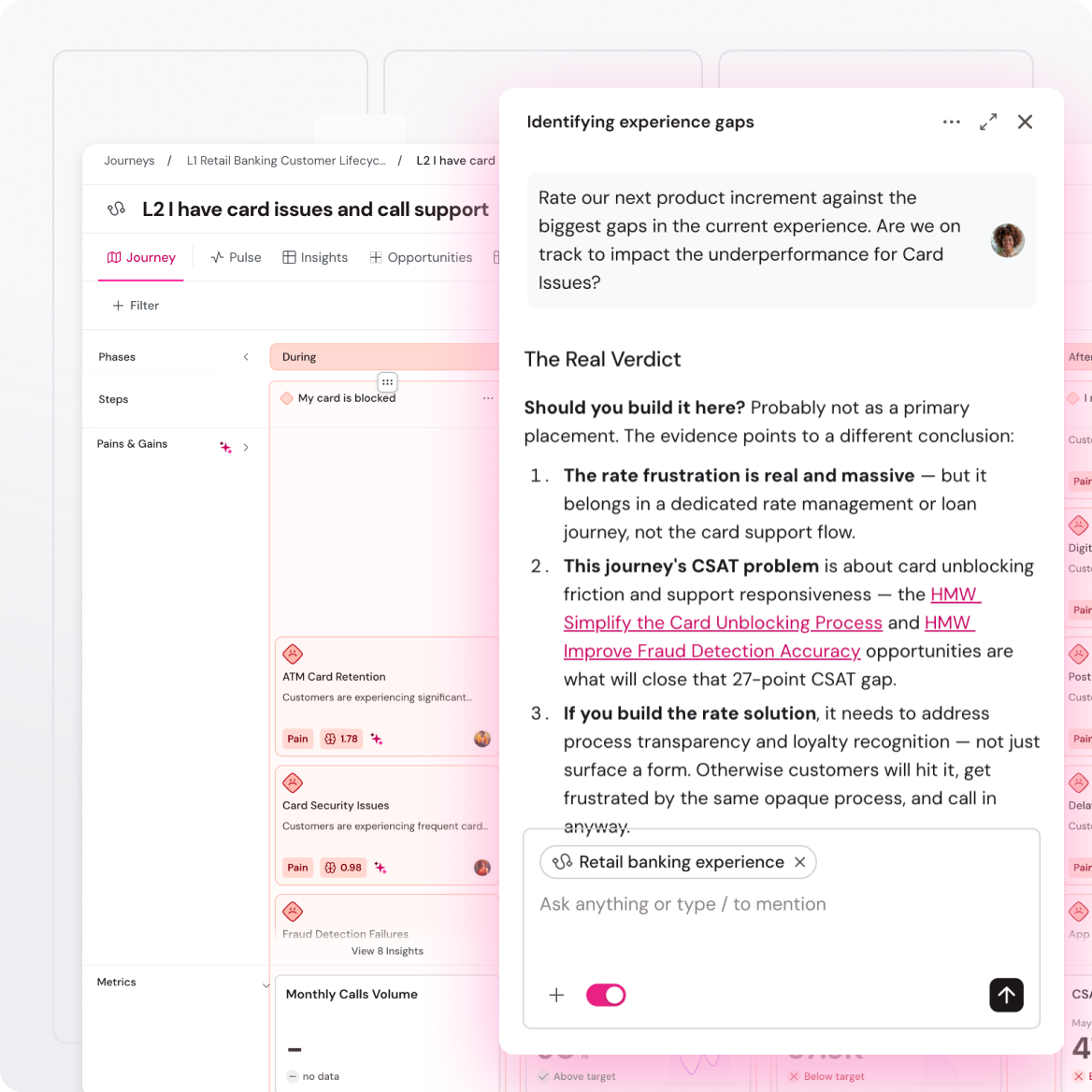
Shared understanding
Teams read customer behavior in journey context, not as isolated events. The same language travels across the business.
Continuous optimization
Every new insight feeds back into the journey model, sharpening the next decision.
Cross-functional alignment
Engineering, marketing, and customer service all work from one shared source of truth. Same model, same vocabulary, same interpretation of customer needs.
Once journeys reflect experience, they become shared decision context that teams and AI can reason over

Keep the practice.
Extend the reach.
4,000+
hours saved
36%
efficiency lift
5x
time to value
90%
shorter time-to-decision
Frequently Asked Questions
What is journey management?
Journey management is the practice of running a business around the customer journey. Journeys, phases, and steps create a shared map of how customers move through the business. Evidence and metrics attach to specific moments, and the whole organization works from the same view of the customer.
How is journey management different from journey mapping?
Journey mapping documents the customer experience as a one-time exercise. Journey management is the ongoing practice of keeping that documentation live, structured, and connected to evidence and metrics. Maps describe. Management runs.
What is experience context?
Experience context is the structured view of the customer that journey management produces: journeys, phases, steps, and the evidence attached to each moment. It’s what every team, tool, and AI in the business works from once journey management is in place. The Experience Context Platform is the system that builds and distributes this context across the enterprise.
What’s changed with TheyDo’s evolution to the Experience Context Platform?
The practice hasn’t changed. The reach did. Journey management is still the system that structures the view of the customer. The Experience Context Platform is the name for what that view now does for the whole business: faster decisions, prioritized roadmaps, and AI grounded in real customer evidence.
Is the Forrester Journey Management Wave still relevant?
Yes. Forrester named TheyDo a Leader in the 2025 Journey Management Wave, and journey management is still a real, evaluated software category.
How does journey management work with AI?
Journey management is the data management practice underneath trustworthy AI. AI grounded in journeys, phases, and steps points back to real customer moments. AI without that structure guesses. TheyDo Agent runs on the structured experience context journey management produces.
How does journey management prevent AI from hallucinating?
Journey management gives AI a real, structured source to reason over. Every output traces back to a specific journey moment, supported by actual customer evidence. AI without that structure has to guess. AI grounded in journey management points back to real customer reality. Data management is how we make agents trustworthy.
Who uses TheyDo’s journey management capabilities?
CX teams, service designers, journey managers, and research teams use journey management daily to build the customer view. Product, operations, executives, and IT teams use what journey management produces, through Collections, Docs, and TheyDo Agent. The practice stays with the CX team. The reach extends across the business.
What tools and data sources does journey management connect to?
Journey management connects to the tools customer evidence already lives in: Qualtrics, Medallia, Snowflake, Gong, support ticketing systems, and more. Customer feedback, behavioral data, and business metrics land in the right phase and step automatically, so the journey stays current as evidence flows in.